



Nobody plans to lose a good employee. But it happens more often than it should, and usually because the warning signs were already there and nobody caught them in time. By the time someone puts in their resignation, the decision was made weeks or even months ago.
That is the real problem. Most companies are always a step behind. They find out something is wrong after it is already too late to do anything about it. Tracking performance, engagement, and turnover metrics helps organisations catch those early warning signs and step in before good people walk out the door.
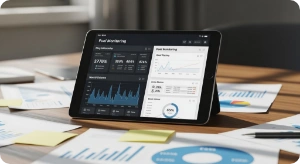
Workforce analytics puts that process on autopilot. The data is already within your organisation. It just needs to be looked at the right way. Once you can see where people are struggling or checking out, you actually have a chance to fix it before it turns into another resignation letter on your desk.
How Workforce Analytics Supports Employee Retention
When employees leave, companies feel it immediately. Hiring takes time, onboarding takes longer, and the team left behind carries the extra load. The real issue is that most organisations only react after someone has already made up their mind to go. Workforce analytics changes that by giving HR and managers something solid to work with before it gets to that point.
Here is how workforce analytics directly supports retention:
It flags early signs of disengagement before they turn into resignations
It shows which departments or managers have higher turnover patterns
It helps HR move from reacting to planning ahead
It gives leaders real context to make better people decisions
It connects employee experience data to actual business outcomes
The best part is that the data is already there inside your organisation. Workforce analytics puts it in a format that actually makes sense. When HR teams can see patterns clearly, they can act on them early, talk to the right people, fix the right problems, and keep the employees they worked hard to hire in the first place.
Advance Your HR Career with People Analytics
Develop in-demand HR and analytics skills through an Online MBA in HRM & People Analytics. Learn workforce analytics, leadership, and modern HR practices through a flexible online learning format designed for graduates and working professionals.
Explore more: https://www.dypatiledu.com/
Improve Workforce Retention with Data-Driven HR Strategies
Good intentions don’t really retain employees. Smart decisions, backed by real data, do. When HR playbooks are built on metrics instead of assumptions, the outcomes tend to be more precise and more effective too, like you’re aiming at something, not just hoping.
Here’s what data-driven retention looks like in practice:
Taking exit information, and spotting patterns across different teams
Watching engagement scores regularly not just every year, because stuff changes
Flagging high-risk employees before they start drifting elsewhere
‘Matching compensation with market numbers so you stay competitive
Creating retention plans around actual employee needs, not guesswork
Workforce Analytics Strategies for Better Retention
Having access to data is one thing. Knowing how to use it is another, but honestly it’s kind of the same topic, just different. These strategies help organisations turn workforce analytics into retention wins that are actually real, not just “on paper”
First, set clear goals about what you want to reduce or improve
Then pull data from multiple sources, like employee surveys, performance reviews, and attendance, (don’t only rely on one lane)
See what shows up across teams, roles, and tenure, even if it feels messy at first
Move on the findings quickly, instead of just sitting with dashboards and reports
Revisit and tweak the strategies every quarter based on what the new data says